
Payload reservations open
Payload flights
to the Moon.
Reserve space for an instrument or cargo on a shared commercial lander. We’re planning the first flight for 2029.
View flight details
View coordinates and illumination. 4.1° S / 7.2° W
Lunar atlas
Lighting on 20 Nov 2026 at 12:00 UTC
- View center latitude
- 4.1° S
- View center longitude
- 7.2° W
- Sun elevation
- 35.3°
- Distance to lunar center
- 380,871 km
- Target landing year
- 2029
- Shared payload block
- 10 kg
- Capacity per slot
- 2 kg
- Lander selection
- Pending
Lunar programs

Payload flights
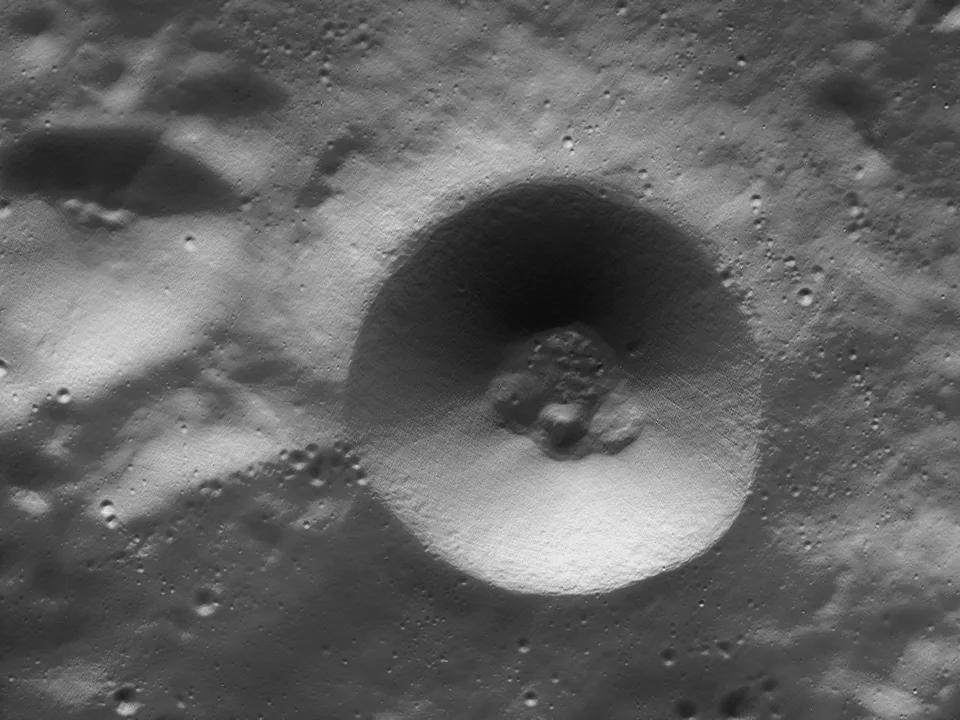
Share a lander with other teams and reserve only the slots your payload needs.
Shared prospecting
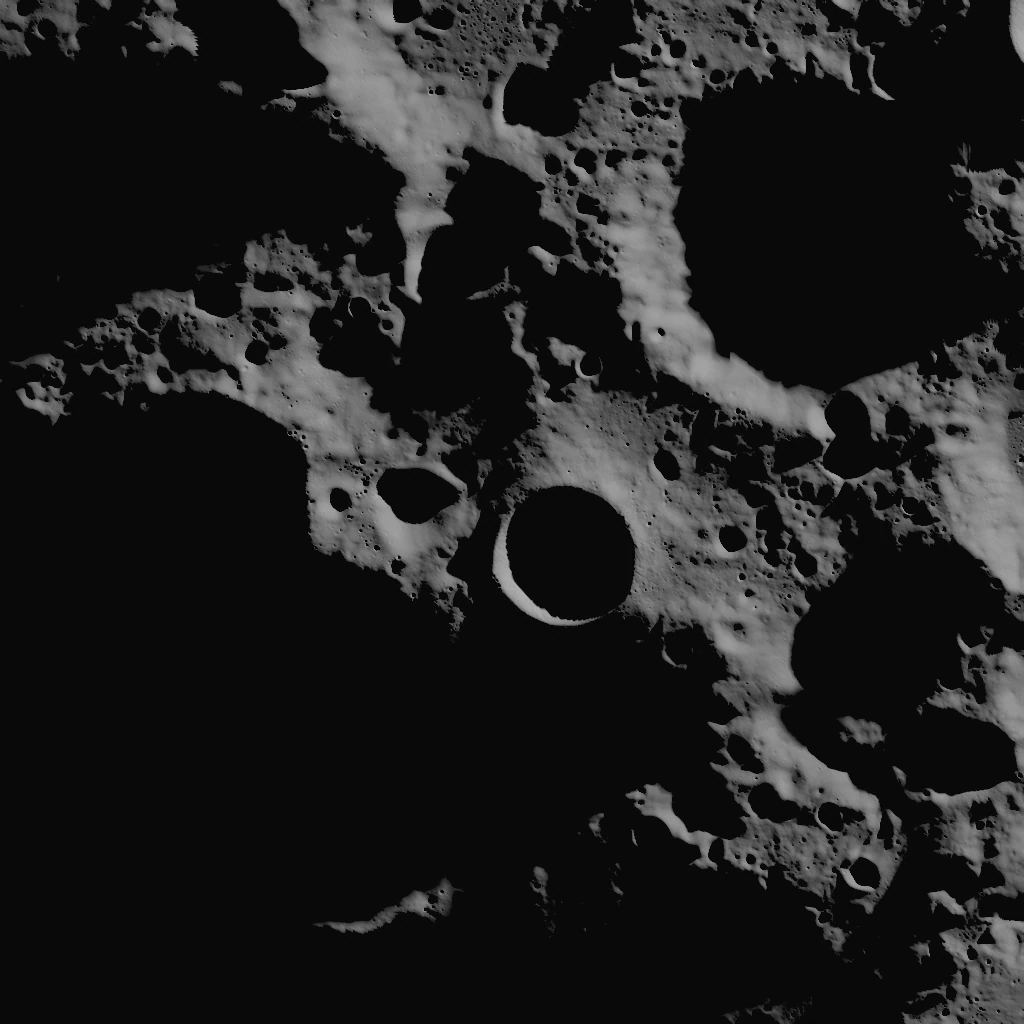
Propose an instrument or share in a survey of lunar ice and minerals.
Moon base
See the plan for shared power, communications and, eventually, a crewed outpost.
Lunar Virtual Twin
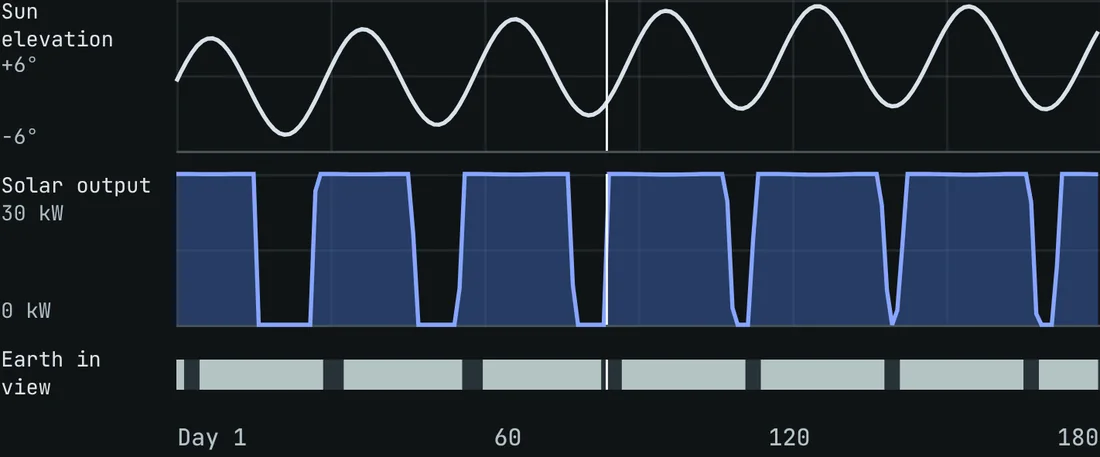
Inspect a model of sunlight, Earth visibility and power at a candidate landing site.

Earth at night: NASA. Orbits and link: artist’s concept.
Colorado plant In planning
Defense hardware,
built in Colorado.
Our planned plant will build defense systems, including mobile ground stations, vehicle communications fits, equipment rooms and print cells. It will also run integration, fabrication and test for other hardware teams. Requests are free and non-binding while the plant is in planning.
See defense systemsDefense systems
Counter-drone vehicle integration
Mobile ground station
Vehicle communications fit
Portable equipment room
Containerized print cell
Plant lines
Mission timeline
These are planning dates. Each stage depends on funding and completion of the work before it.
- 2027Form the base partner group and introduce a payload price index.
- 2028Build and test the payloads selected for the first flight.
- 2029Land the first shared payload block on the Moon.
- 2031 to 2033Install a shared power and data node at the surface.
- Mid-2030sEstablish a crewed outpost, then open a small number of visits.
Mission record22 Nov 2026
Free reservations opened for the planned first flight. Lander selection is pending. Constanellis has yet to fly a payload.
The team completed version 2.0 of the Lunar Virtual Twin and published the company’s capability statement for government program offices.
Lunar imagery and elevation data courtesy of NASA’s Scientific Visualization Studio, Goddard Space Flight Center and Arizona State University. Lunar illumination, 20 November 2026 at 12:00 UTC.